Next Hacker International Programming Player Competition (IPPC)

0

Miami, September 16, 2015

Java Programmers Competition 2016 IPPC: $500,000 cash prizes

SHOW ME YOUR SPEED!

We are already convinced that there are many gifted programmers and ingenious hackers.

    Now we want to know who the fastest and most flexible are.
After all, we are in the century of speed:

TIME = $

Next Hacker: International Programming Player Competition, February 26 & 27, 2016 in Berlin, Germany, the 2016 IPPC promises an exciting two days of intriguing events and programming competitions featuring 3,000 of the world’s best up and coming developers and programmers in an extreme and exciting skill competition.

IPPC’s main event is where the true competition really begins and everyone can be a winner in the Xtrem Programming Competition Speed & Skill Challenge. $500,000.00 cash prize they await the winners. This multi-stage challenge starts with each programmer having to successfully find and fix errors in three random Java programs.  Once that phase is completed, the programmer needs to achieve a score of 150,000 points in a single Classic Pac-Man game.  Once both tasks are completed, the fastest programmers win a share of the cash pool.  In addition, contestants’ contest performance information will be made available for all Companys.

The 2016 International Programming Player Competition will also offer technical sessions on programming, an open panel discussion with renowned hackers and programmers, and the opportunity for the world’s top programmers to be exposed to and meet leading high tech companies from around the globe.  The two day IPPC is open to programmers worldwide and space is filling up rapidly. All the money from our sponsors and advertisements that will be gathered will increase the winner’s number.

About Next Hacker IPPS
Next Hacker IPPS LDT is a worldwide group of like-minded computer programmers.  Their mission is to organize and host international programming events that connect talented programmers with corporations. The team specializes in planning and producing high quality competitive programming events.

Contact Details

Email:    info@nexthacker.com
team@nexthacker.com
Website: https://www.nexthacker.com
Logo_next_hacker

nextHacker IPPC LTD
Miami- 201 South Biscayne Boulevard – USA / Athens – Prasinou Lofou, Theatre Square (Minoti) – Greece
Sofia – Business Center Evrotur 2 – Bulgaria
Tel. +30 211 2104995

Amputee Can Control and ‘Feel’ using a Robotic Arm

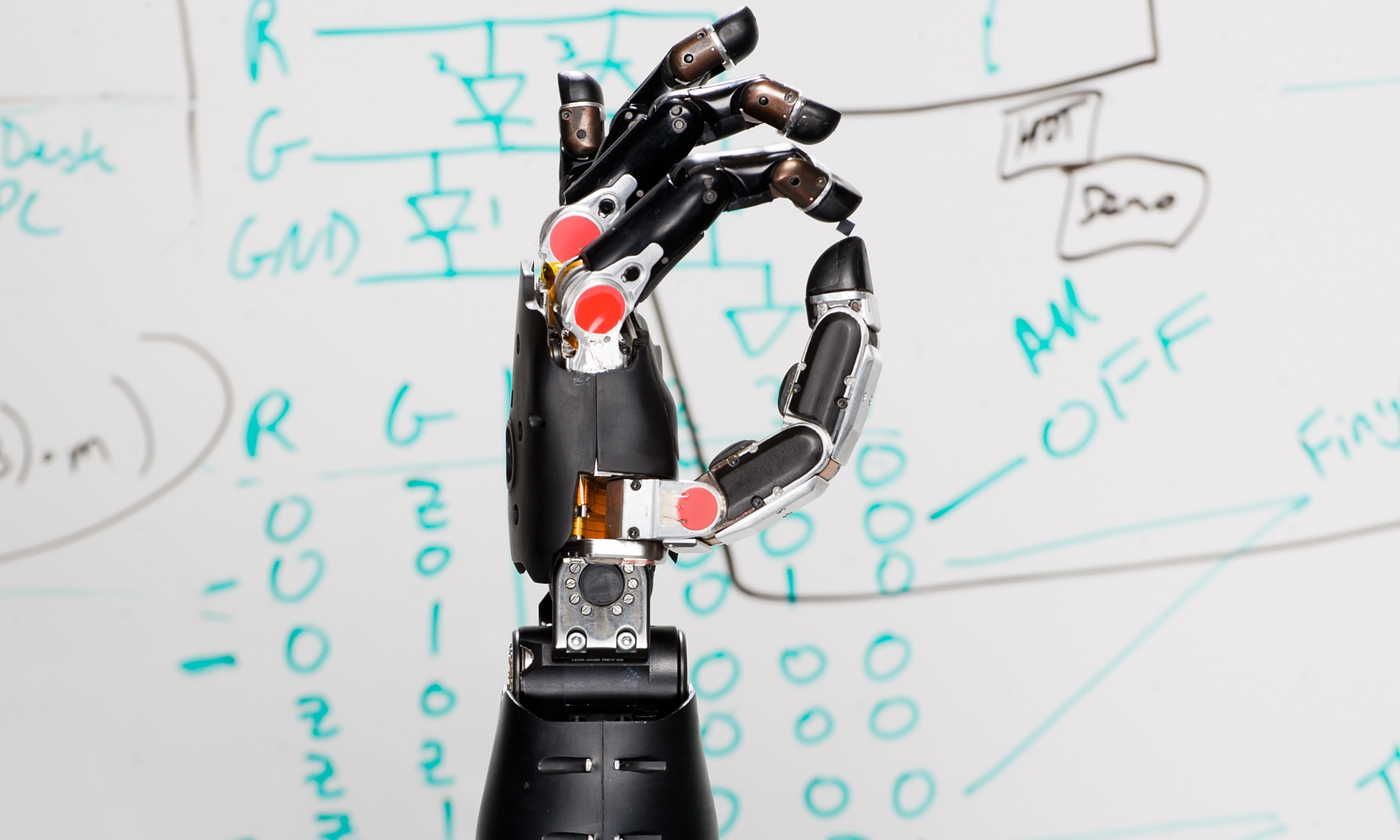
A brand new advanced robotic hand that’s wired directly into the brain has been successfully tested, permitting a paralysed man to “feel”.

The hand, developed by the Applied Physics Laboratory at Johns Hopkins university, is part of a research venture into advanced replacement limbs funded by the US army’s Defence Advanced Research Projects Agency (DARPA).

The 28 year old person, who has been paralysed for more than a decade after a spinal-cord injury, had electrodes from the prosthetic hand inserted into his sensory and motor cortexes. This allowed him to both control the hand with his ‘thoughts’ and sense when the fingers of the hand were touched individually.

Sensors in the hand detect pressure applied to any of the fingers and create electrical signals to mimic touch sensations. When blindfolded, the volunteer could determine which finger on the hand was touched with practically 100% accuracy, according to DARPA.

“At one point, instead of pressing one finger, the team decided to press two with out telling him,” DARPA program manager Justin Sanchez said. “He responded in jest asking whether somebody was trying to play a trick on him. That’s when we knew that the feelings he was perceiving through the robotic hand were near-natural.”

Sanchez added: “Prosthetic limbs that can be controlled by thoughts are showing great promise, but with out feedback from signals traveling back to the mind it can be tough to achieve the level of control needed to carry out precise movements.”

By wiring a sense of touch from a mechanical hand directly into the brain, this work shows the potential for seamless biotechnological restoration of near-natural function. We’ve completed the circuit.”

The hand and the neurotechnologies on which it relies are hoped to permit those that have lost limbs to not only gain fully functioning replacements but also the level of control that may only be provided with sensation.

Related: Brain implant controls robotic arm – with the power of thought 

Facebook is introducing the ‘Dislike’ button

Facebook is working on a “dislike” button for its posts. This was revealved by the company’s co-founder and chief Mark Zuckerberg, during a question and answer session on Tuesday.

“People have asked about the ‘dislike’ button for many years, and probably hundreds of people have asked about this, and today is a special day because today is the day that I really get to say we’re working on it, and are very close to shipping a test of it,” he stated.

The “dislike” button has been a subject of much discussion through the years.

CEO Mark Zuckerberg revealed the plans for such a button during a Q&A session on the company’s headquarters Tuesday. The thought for such a brand new feature, which the social network plans to start testing soon, has been shot down by Zuckerberg and different Facebook executives before. However moving beyond “Like” is key to growing Facebook’s ability to surface a greater variety of content folks really care about.

The centerpiece of the Facebook experience is the News Feed, the individualized stream of stories, articles, cat photos and old style status updates you see whenever you go to the social network’s web site or app. Facebook uses an algorithm to curate the News Feed, because there’s simply too much content material to show all of it in chronological order as it once did. Each time you go to the News Feed, Facebook’s algorithm kicks into gear, sorting all of the available posts from your pals, pages you’ve liked and advertisers into order based on what it thinks you’ll find most interesting.

Facebook can’t read minds (yet), so the firm can only guess as to which posts every consumer will care the most about. The News Feed algorithm takes under consideration hundreds of factors to determine its ranking, ranging from how much you tend to watch video posts to how often a person has clicked the poster’s profile photos. Plenty of it amounts to painstaking guesswork.

However clicking Like is totally different. It’s binary and unequivocal. You either Like something or you don’t. Due to this fact, it’s one of the biggest elements in News Feed’s secret sauce. Posts that get plenty of Likes from some users are positioned higher up in other users’ feeds because it’s assumed they’ll appeal to even more engagement and Likes.

That works to some extent, however it doesn’t necessarily assist Facebook meet its stated goal of “connecting the world.” After all, the 1.5 billion humans (and some dogs, cats and robots etc) using Facebook experience a variety of feelings in addition to “Like.” As the social network increasingly positions itself as a destination for news and thought-provoking conversations, “Like” grows ever more restrictive. Customers don’t want to “Like” an article about the struggles of Syrian refugees or give a thumbs up when a buddy shares that a loved one has died. Thus, Facebook’s algorithm might bury this kind of essential content material under traditional Internet catnip.
Dislike much?
It will NOT be called the ‘dislike’ button

So “Dislike,” or whatever it winds up being known as, might provide a counterbalance to that phenomenon, making it simpler for customers to signal interest in a post or story that would be awkward to “Like.” Though Zuckerberg didn’t explain precisely how a dislike button would work, it certainly won’t be framed as a way to hate on your cousin’s cat photos. Facebook already has tools that allow individuals to hide posts, people and ads that they don’t care about. “Dislike,” then, is about opening up an avenue for users to interact with interesting content that would be awkward to do anything with inside Facebook’s present framework.

“If you’re expressing something sad . . . it may not feel comfortable to ‘like’ that post, but your pals and other people need to have the ability to express that they understand,” Zuckerberg stated on Tuesday.

Serious Flaw Discovered in the OS used by Over a Billion Devices

There’s a simple vulnerability inside an extensively used operating system, although not one that most would be aware of, known as VxWorks. It happens to be the same software program used to control components of NASA’s Curiosity Mars Rover and lots of critical infrastructure systems, while another flavour of the OS, VxWorks 653 (not effected by this flaw), is utilized in Boeing 787 Dreamliners and even many military helicopters. Some versions, used by tens of thousands of machines at the very least, are also carrying a vulnerability that may be exploited from anywhere with an internet connection, according to researcher Yannick Formaggio, from Canadian outfit Istuary Innovation Labs.

Talking at the 44Con convention in London on 10th September, 2015, Formaggio stated he’d looked into the software following a request from a client working within the critical infrastructure industry. Formaggio and his fellow researchers created their very own “fuzzing” tool, which threw data at VxWorks to see where the errors occurred.

This led to the discovery of what’s generally known as an integer overflow vulnerability, which allowed him to target a particular part of the operating system and write to memory on the machine running VxWorks. From there, it was possible to set up a backdoor account and control features of the OS, Formaggio claimed. “It’s a very basic vulnerability,” he added. An attacker must find targets with a certain port (port 111) open, but when they did; the exploit code could run without any interaction from the user. In other words, a silent & (possibly even a) deadly attack.

Mars Curiosity Rover
VxWorks, the operating system used in over a billion devices, contained a vulnerability that could be exploited from anywhere. The Mars Rover also uses the VxWorks OS

Affected versions include VxWorks 5.5 through to 6.9.4.1 (the latest version is 7.0). A simple search for ‘vxworks’ on Shodan, the security testing service for uncovering open internet servers, revealed that tens of thousands of computer systems running the OS can be accessed over the net. According to Wind River, the Intel owned company behind the 28-yr-old software, as many as 1.5 billion devices are managed by VxWorks. The company describes VxWorks as “the world’s most widely-used real-time operating system”. However, it is unclear how many are vulnerable to the attacks developed by Formaggio.

He mentioned that the flaw was reported on 22 July and was quickly acknowledged the day after. Wind River had not responded to media’s requests for comment, although Formaggio believes the firm has issued a patch,and thins that the company wouldn’t release a public advisory as it didn’t deem the issue serious enough. That may be because the researchers did not inform the firm they have been able to remotely exploit VxWorks. They merely handed over specifics on the flaw that led to control being relinquished to willing attackers.

VxWorks
VxWorks by the Wind River

This is not the first time VxWorks has been caught by security researchers this year. In June, the US Industrial Control Systems Computer Emergency Response Team, run by the Department of Homeland Safety, warned about a flaw uncovered by Raheem Beyah, David Formby and San Shin Jung of Georgia Tech. The problem would have allowed any hacker who could intercept an unprotected connection between a computer and a VxWorks server to completely take over a connection as soon as the user had logged in.

At the time, Beyah said the vulnerability was resident within the TCP protocol – a core internet protocol – utilized by VxWorks and that flaw was initially discovered over twenty years ago. While he didn’t believe the vulnerability was especially critical, he pondered: “What other legacy vulnerabilities that have been addressed by the ‘mainstream’ computing community persist in our critical infrastructure?”

A NASA spokesperson stated: “While we don’t discuss specific security issues regarding our infrastructure, we do take the necessary steps to ensure safe and secure operation of all our systems.” Certainly, without doubt, NASA would not take any chances with Curiosity, so don’t expect the intrepid robot explorer to be controlled by criminal mastermind hackers any time soon.

Boeing doesn’t run a vulnerable version of VxWorks on its planes. Nevertheless the firm said it had multiple layers of safety “designed to ensure the security of all critical flight systems from intrusion”.

However that doesn’t detract from researchers’ findings this year. They’ve uncovered some severe weaknesses at the heart of the world’s critical infrastructure.

Russian Spy Team Accused of Hacking Satellite Data

0

In case you’re a state-sponsored hacker siphoning data from selected computer systems, the very last thing you need is for somebody to find your command-and-control server and shut it down, finishing your capacity to communicate with contaminated machines and steal data.

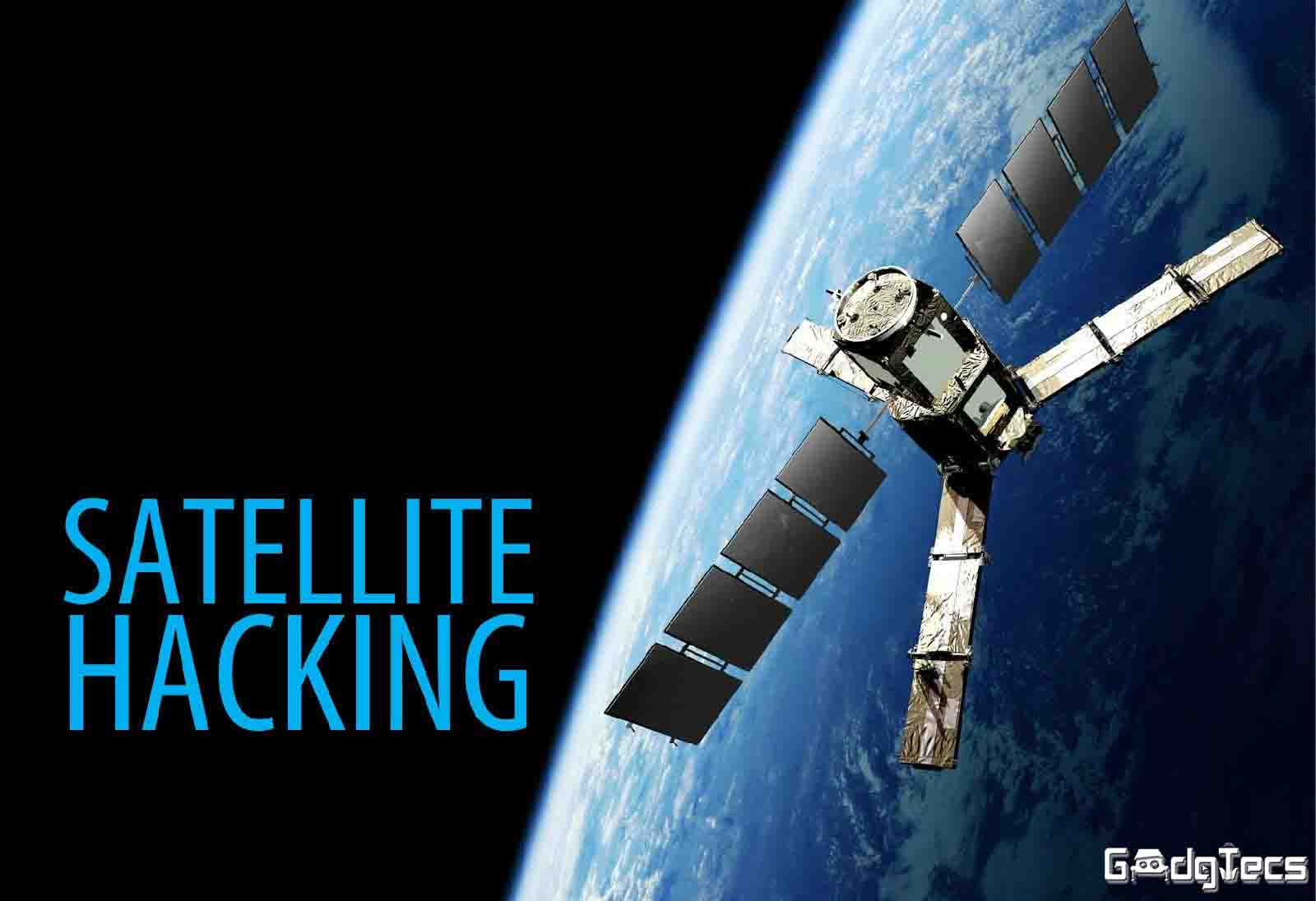
The Russian-speaking spy gang often known as Turla have discovered a solution to this—hacking the satellite IP addresses of reliable customers to use them to steal from infected systems in a method that hides their command server. Researchers at Kaspersky Lab have found proof that the Turla gang has been utilizing the covert approach since, at the very least 2007.

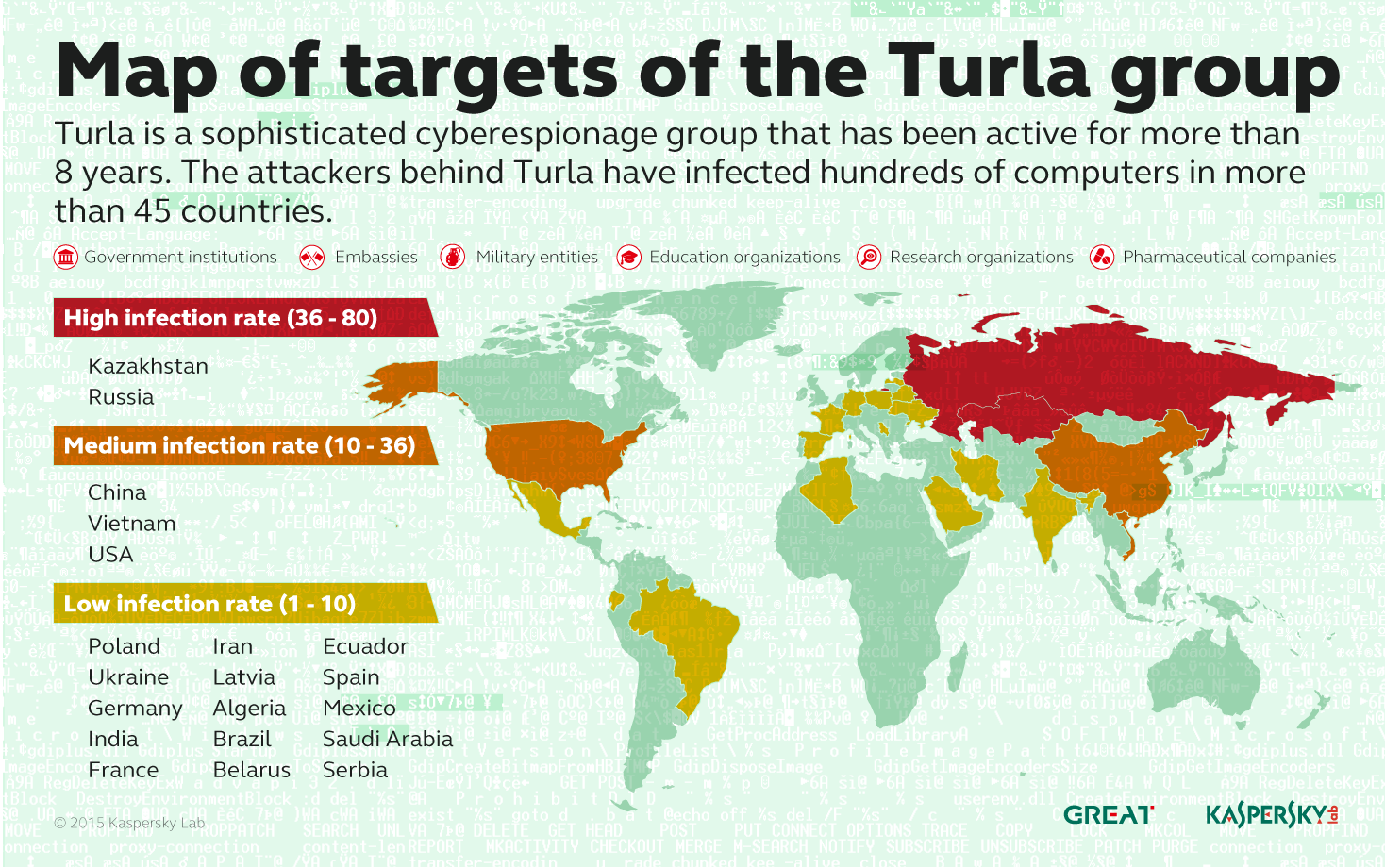
Turla is a sophisticated cyber-espionage group, believed to be sponsored by the Russian government, that has for more than a decade targeted government agencies, embassies, and militaries in more than forty nations, including but not limited to Kazakhstan, China, Vietnam, and the USA, however with a particular emphasis on countries in the former Eastern Bloc. The Turla gang uses various strategies to infect systems and steal information, but for some of its most high-profile targets, the group seems to use a satellitebased communication method to assist in concealing the location of their command servers, according to Kaspersky researchers.

Video: Ubuntu Touch Transforms into an Ubuntu Desktop

1

Seeing Ubuntu Touch transform right into a small desktop version of the distribution is somewhat weird, nevertheless it’s also revealing the immense power that is obtainable underneath the hood.

Canonical has been talking about platform convergence for a very long time, and it is one of the many issues that really got through. It is true that KDE has been speaking about this function for a while too, however their message got lost in the space. Microsoft also planned this with the new version of Windows but in the meantime, Ubuntu Touch is now a full fledged operating system that can offer a desktop experience and it is doing that seamlessly.

This isn’t the type of feature that is easy to make overnight and it took Canonical a few years to get it to work. The road from the drafting board to a functioning convergent desktop has been a very long one, and it is still not over. We should have a smartphone that is able to show us the power of the ‘Unity 8’ desktop in the coming months, so we know that the convergence plan is finally reaching a stable point.

You may examine the Ubuntu convergence right now

The flexibility to turn your Ubuntu Phone or Tablet into a desktop OS (kind of) is already implemented, and users need not do any loopy stuff. All you have to do is simply switch it on and enjoy the experience.

Ubuntu user Popescu Sorin made a very cool video exhibiting off a few of the capabilities available right now within the mobile version of the OS. He is using a Meizu MX4 smart phone, so there isn’t any way of using an external monitor. On the other hand, Nexus 4 is perfectly suited to do that with the assistance of an MHL A/V link.

You may also notice that there’s mouse support too, however for now the mouse isn’t visible. It isn’t a big issue, and will probably be in all probability fixed very soon. Keyboards are also supported if you wish to make your life easier.

See and Enjoy the video below!

Graphene Converts Heat into Electrical Energy

1

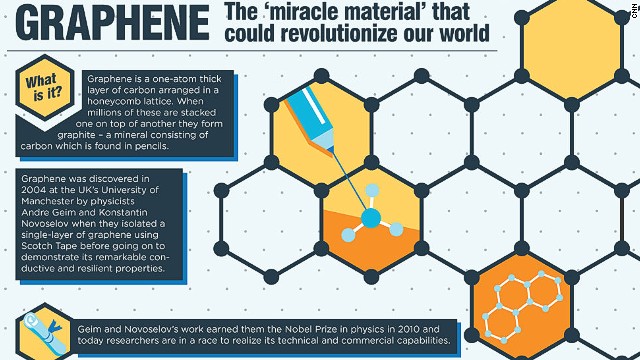
Graphene, an allotrope of carbon, was first isolated at the University of Manchester in 2004 by Sir Andre Geim and Sir Kostya Novoselov. In 2010, they had been awarded the Nobel Prize for Physics for their discovery. Graphene’s most unique property is that it is just 1 atom thick, making it the first 2-dimensional material. At present, the university remains the home of graphene research, with over forty industrial partners working on graphene-related projects.

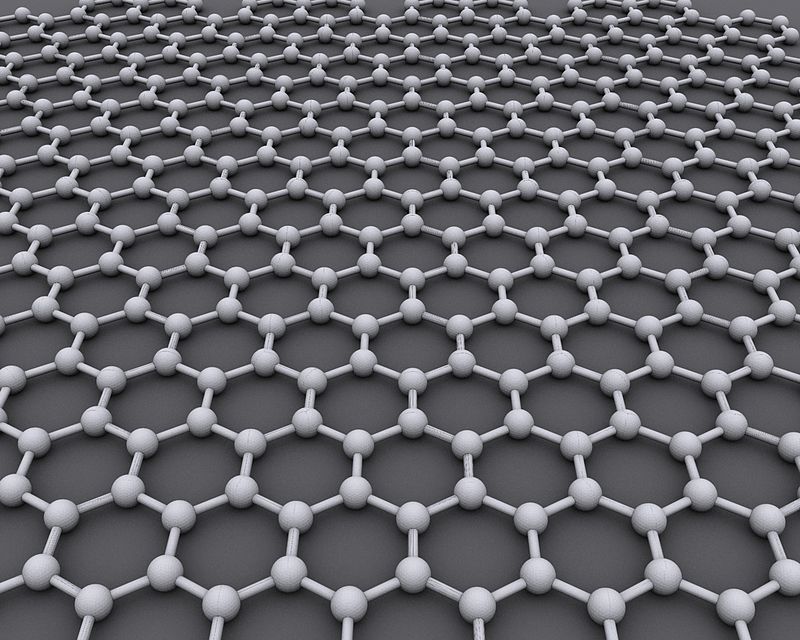
Graphene, a miracle
Graphene, a ‘miracle material’ – Source: CNN

Not too long ago, its scientists, working with European Thermodynamics Ltd, created low-cost thermoelectric materials that could be used to capture warmth from vehicles and convert it into electrical energy. That electricity can then be used to recharge the batteries in hybrid, plug-in hybrid, and electrical cars to provide them extra range.

The group—led by Prof Ian Kinloch, Prof Robert Freer, and Yue Lin—added a small quantity of graphene to strontium titanium oxide. The resulting composite was able to convert heat that would otherwise be wasted into an electrical current over a broad temperature range, starting at room temperature. Previously, thermo-electric materials only functioned at extremely high temperatures of around 700 degrees Centigrade.

“Our findings show that by introducing a small amount of graphene to the base material can cut back the thermal operating window to room temperature which offers an enormous range of potential for applications,” said Prof Freer. “This brand new material will convert 3-5% of the heat into electrical energy. That’s not a lot but, given that the average automobile loses roughly 70% of the energy supplied to it by its fuel to waste heat and friction, recovering even a small proportion of this with thermo-electric technology would be worthwhile.”

The numbers get a bit complicated, but if a standard internal combustion engine only converts 30% of its fuel into forward movement, recapturing only 3% of its wasted heat may translate into a 10% improvement in fuel economy. Car manufacturers today would be thrilled to make their vehicles 10% more fuel efficient as they battle to comply with tough new laws set to begin shortly in the US and Europe.

The quest to enhance fuel efficiency while retaining performance is of huge interest to automobile manufacturers. Not only could graphene boost fuel economy, it may also improve safety when used as a composite material in the chassis to reduce overall car weight.

Recapturing waste energy for tomorrow’s vehicles has led to proposals for tires that produce a small electrical voltage while driving as well as shock absorbers that do the same thing. Range is the new “Holy Grail” for makers of cars with batteries. Anything that helps add range to tomorrow’s automobiles will probably be gladly exploited by the auto industry.

Watch this helpful if somewhat light hearted video to learn more about graphene.


Buildings to be powered by Solar Windows

Manhattan has roughly forty seven thousand buildings with around 10.7 million windows, based on a 2013 estimate from The New York Times.

Now think about if just 1%, that’s 100,700, of these windows could generate electricity via transparent solar cells.
That is the concept behind solar power windows, and at least two firms are hoping to sell the technology to windows manufacturers, saying once put in in a building the technology pays for itself in about an year.

“If you look at the glass that’s manufactured worldwide today, 2% of it’s used for solar panels; 80% of it is used in buildings. That is the opportunity,” stated Suvi Sharma, CEO of solar panel maker Solaria.

Solaria uses existing photo voltaic (PV) cells and slices them into 2.5mm strips. It then sandwiches these thin PV strips between glass layers in a window. “The way human eye works, you don’t even notice them,” Sharma mentioned.

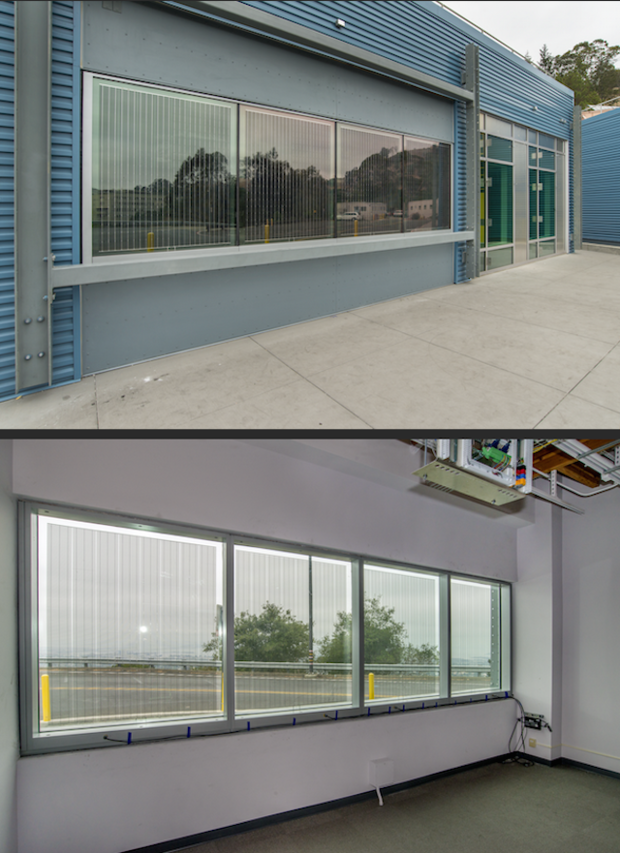
Solaria Solar window
Solaria
Solaria uses photo-voltaic cells cut into 2.5mm strips and embedded in window glass to generate electricity. That’s what a typical system would look like.

Another benefit? Because the PV strips absorb light striking a window, they cut back the “solar heat gain coefficient”; in other words, the windows reduce the sunlight’s impact on a building’s internal air temperature and thereby decrease air conditioning costs.

Solaria is focusing on its technology for windows that will likely be installed in newly constructed buildings.

Another firm, SolarWindow Technologies, is pitching a different type of transparent PV cell technology for new construction, replacement windows and retrofits to existing windows.

SolarWindow is utilizing what it calls organic photovoltaics, which can vary in coloration and transparency. The company is planning to announce its product in a few weeks.

SolarWindow CEO John Conklin stated what sets his firm’s technology apart is its ease of integration. Because it is based on a PV film, it may be adhered to existing windows or integrated into manufactured products relatively easily.


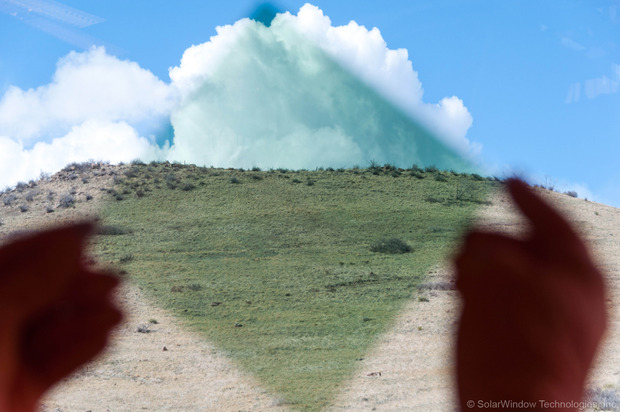
SolarWindow Tech
SolarWindow Technologies
Electricity generating SolarWindow module that is being developed in architecturally neutral colors.

Depending on the number of south-facing windows, which get a majority of the sun’s light, and the construction’s location in the U.S., Solaria’s technology may provide from 20% to 30% of a skyscraper’s power needs, Conklin stated.

Conklin wouldn’t disclose precisely which organic materials SolarWindow makes use of.

In 2013, however, Oxford University researchers released the results of a study on how neutral-colored, semi-transparent photo voltaic cells made of perovskite could be utilized in building and car windows to generate electrical energy. Perovskite is an oxide used in ceramic superconductors.

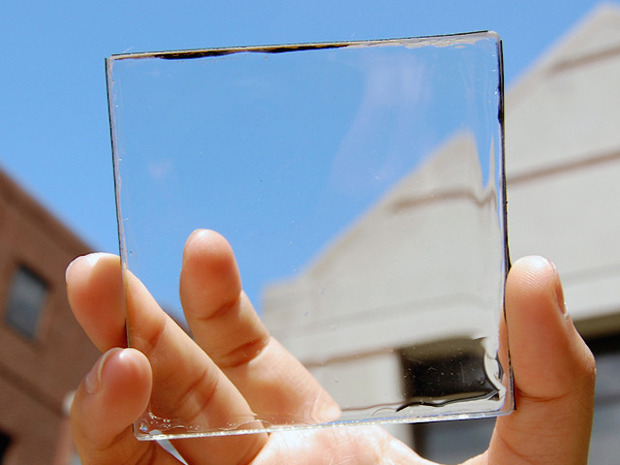
Man holding solar window
Oxford Energy
Oxford University professor Henry Snaith holds up a clear piece of glass that has a transparent perovskite solar cell film on it.

The Oxford researchers said they could create transparent solar cells with comparatively high efficiencies. For example, the researchers were able to drive PV efficiencies up to 20% in a “remarkably short period of time” using a simple cell architecture.

The university’s work is being commercialized by Oxford Photovoltaics (a spin-out company), which is planning to produce attractively colored and semi-transparent glass, which works as a solar cell and could be integrated into the facades of buildings and windows.

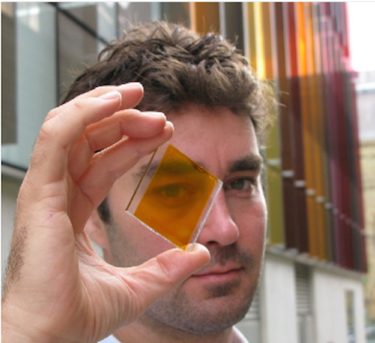
Similarly, a team of researchers at Michigan State University (MSU) has developed a new type of transparent solar concentrator that when placed over a window creates solar energy.

Called a transparent luminescent solar concentrator (TLSC), MSU’s technology can not only be used on building windows but also on cell phones and any other device that has a clear, uncolored surface.

Clear solar cell
Yimu Zhao
A team of researchers at Michigan State University has developed a new type of transparent solar concentrator that when placed over a window creates solar energy.

Richard Lunt of MSU’s College of Engineering said the key to the TLSC technology is that it’s completely transparent.

“No one wants to sit behind colored glass,” Lunt, an assistant professor of chemical engineering and materials science, said in a statement. “It makes for a very colorful environment, like working in a disco. We take an approach where we actually make the luminescent active layer itself transparent.”

MSU’s solar harvesting technology uses small organic molecules developed by Lunt and his team to absorb specific non-visible wavelengths of sunlight.

One problem with MSU’s technology is that more work is needed to improve its energy efficiency. Currently it is able to produce a solar conversion efficiency close to 1%, but the researchers hope to achieve efficiencies beyond 5% when fully optimized.

Today, traditional solar power panels that reside in solar farms or on building rooftops can achieve a PV efficiency of about 15% to 20%. The efficiency rating refers to how much of the photons striking a solar cell are converted into energy.

Solaria’s solar window technology can achieve a solar efficiency of about 8% to 10%. SolarWindow’s Conklin would not disclose his company’s technology efficiency rating, but did say it was less than standard PV panels.

“Obviously when you’re looking at absorbing visible light and it’s transparent, it’s not as efficient as an opaque panel,” Conklin said.

When it comes to solar windows, however, efficiency matters less than transparency, Conklin said.

Making the solar window
Photo by G.L. Kohuth
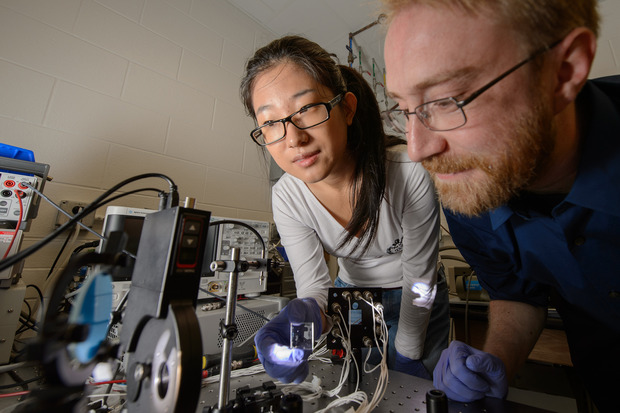
Yimu Zhao, a doctoral student in chemical engineering and materials science at Michigan State University, and Richard Lunt, assistant professor of chemical engineering and materials science, run a test in Lunt’s lab. Lunt and his team have developed a new material that can be placed over windows and create solar energy.

“When you’re looking at transparent or clear photo-voltaics, it’s not necessarily a function of power conversion efficiency as it is about using the vast amount of space available for that tech,” Conklin said. “We’re making use of the space that right now is not available for solar energy production. Passive windows are turned into active energy generating windows.”

In other words, transparent solar PV is about not wasting perfectly good real estate in order to supplement a building’s energy requirements.

The solar window technologies make the most of varying strategies of transmitting the energy that the PVs produce to a building’s internal power infrastructure.

Solaria, for instance, hides its wiring within the window’s frame, and the connectors are wired into a newly constructed building’s electrical conduits. These conduits lead to a central power inverter, which converts the solar windows direct current to alternating current that’s used in the electrical grid.

SolarWindow’s technology can come with micro DC-to-AC power inverters, allowing the electricity to be used only in one room with a solar window. Alternately, it can be connected to a distributed micro grid inverter to power a single floor of a building or to a central inverter from which the entire building can draw power.


Solaria is already piloting its windows in “a few” buildings and it is working on the first large-scale commercial projects in California and Europe, according to Sharma. Sharma did not disclose the projects.

Solaria has also partnered with Tokyo-based Asahi Glass Co., a global glass manufacturer. Sharma said Asahi intends to sell both windows and a bamboo shade called Sudare with embedded solar cells from Solaria.

“So we’re enabling different glass and curtain wall providers in North America, Europe and Asia to provide products,” Sharma said.

Solar windows will cost about 40% more than conventional windows, but the ROI is achievable in under a year and there’s big demand even though products have yet to ship, the manufacturers say.

“It’s actually very viable and will be even more viable as we approach our product launch,” Conklin said. “It’s in very high demand because right now skyscrapers… don’t have a good way of offsetting energy through renewable energy generation.”

Sensitive stuff that goes boom, even if touched by a mosquito

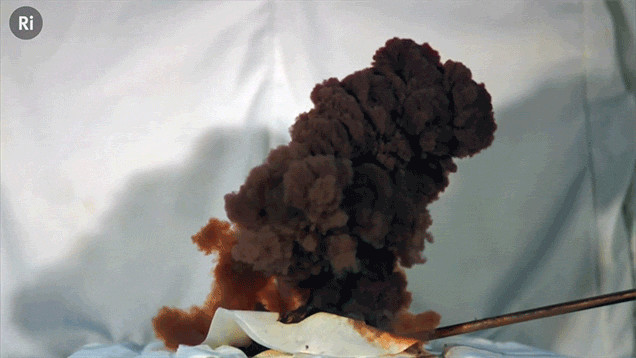
When a feather drops on it, or a mosquito lands on top of nitrogen triiodide – Booom! – an instantaneous dark purple or violet explosion occurs. It’s because nitrogen triiodide is so unstable that it detonates even when it’s barely disturbed.

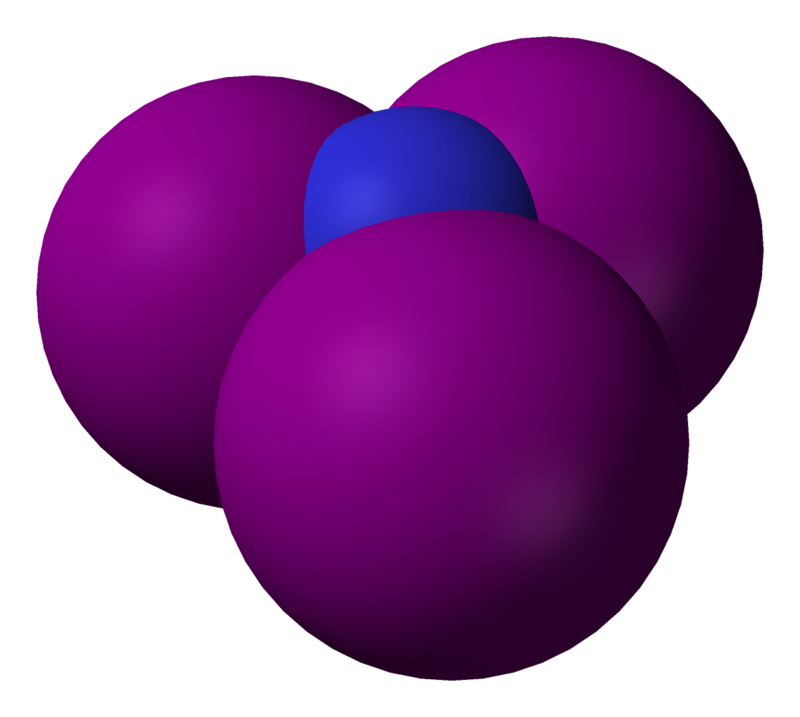
Three iodine atoms cluster around one side of a nitrogen atom. Being crowded around one end causes something known as bond strain as the atoms repel each other in a small space. Hence that the molecule is susceptible to falling apart, lets say, quite explosively.

NO3 in 3d
NO3 visualized in 3D – Source: Wikipedia

You should definitely take a look at the awesome slow-mo video of triiodide blasting off, created by the blokes over at the Royal Institution.

 Dailymotion:

YouTube:

 Enjoy, and don’t forget to like and share 🙂

Student faces 10 years for Android Malware

1

Morgan C. Culbertson, a student from Carnegie Mellon University on Tuesday admitted in federal court to designing and attempting to promote malware that allowed users to take control of other people’s Android smartphones/tablets.

“I’m sorry to the people to whom my software may have compromised their privacy,” Mr. Culbertson stated in pleading guilty to conspiracy to damage protected computer systems.

He informed U.S. District Judge Maurice Cohill Jr. that he was pleading guilty because “I committed the crime” and promised that in the future he would use his expertise to protect computer users.

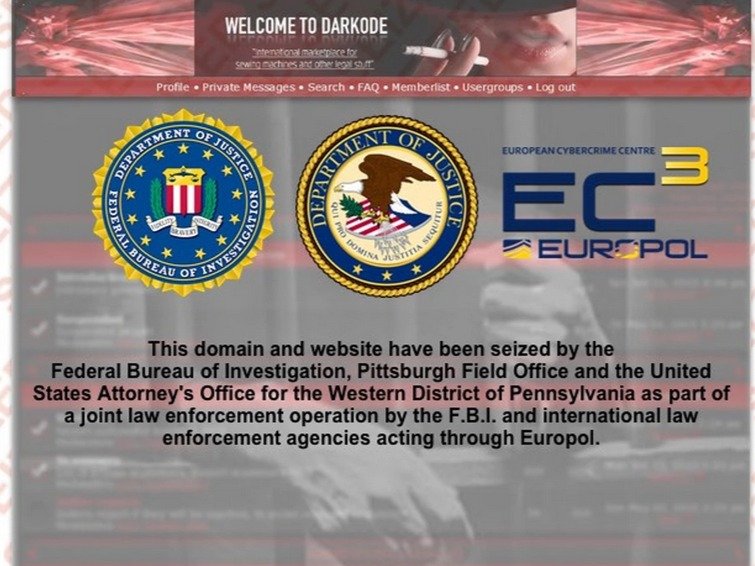
Assistant U.S. Attorney James Kitchen mentioned that in 2013 Mr. Culbertson, who called  himself “Android” online, conspired with another man, “Mike” from the Netherlands, to design a product known as Dendroid and sell it on Darkode, an underground web-based market for criminals and hackers.

Mr. Culbertson, 20, of Churchill, faces up to 10 years in jail when Judge Cohill sentences him in December, though he’s unlikely to get anywhere close to the maximum. He had no comment following the hearing, nor did his lawyer, Emily McNally, or his family.

Dendroid infected victims’ android systems, permitting a customer who had purchased the malware to spy on texts, pilfer files, take images, view browser history & record conversations, all with out the owners’ consent or knowledge.

Mr. Culbertson later bought out Mike’s share of the partnership and began working with another man identified as “Elzig,” Mr. Kitchen stated, in an attempt to market Dendroid on Darkode.

Mr. Culbertson advertised the malware on Darkode for $300, saying he had spent “1.3 years” designing it, and in addition tried to auction the source code that might allow consumers to create their very own version of Dendroid.

Ms. McNally said he didn’t get any offers on his auction attempt.

Following the plea, Judge Cohill allowed Mr. Culbertson to stay free on a $10,000 bond. An engineering student who has completed his sophomore year in the College of Engineering, he told the judge he has taken a leave of absence from the CMU.

CMU spokesman Ken Walters stated that the university had no comment on the matter. Asked if the university had a policy against permitting a pupil to remain enrolled after being convicted of a felony, Mr. Walters said he didn’t know and he has forwarded the query to the administrators.

The Carnegie Mellon Code of Conduct, which is available on the university’s web site, states that college students “are expected to satisfy the highest standards of personal, ethical and moral conduct possible. … Students who can’t meet them should voluntarily withdraw from the university.”

A graduate of Winchester Thurston, a private school in Shadyside, Mr. Culbertson was described by those that know him as an clever, respectful and level-headed student who worked hard and excelled on the tennis team. He was said to have many friends and his parents had been very involved in his life, never missing one of his tennis matches.

darkode fbi notice
FBI has taken down the Darkode forum

Mr. Culbertson was among some 70 individuals targeted in an international investigation based in Pittsburgh that targeted Darkode, which has since been shut down by the FBI. Of those, seven are being prosecuted in Pittsburgh, including Mr. Culbertson.

Three others involved with Darkode have entered guilty pleas in a spam scheme unrelated to Mr. Culbertson’s crime.

Dewayne Watts, 28, and Naveed Ahmed, 27, both of Florida, and Phillip Fleitz, 31, of Indianapolis, admitted to their roles in maintaining a spam botnet that used servers in China to infect routers in other nations and send millions of e-mail messages designed to defeat spam filters of cellphone providers.